
Turkish Ports
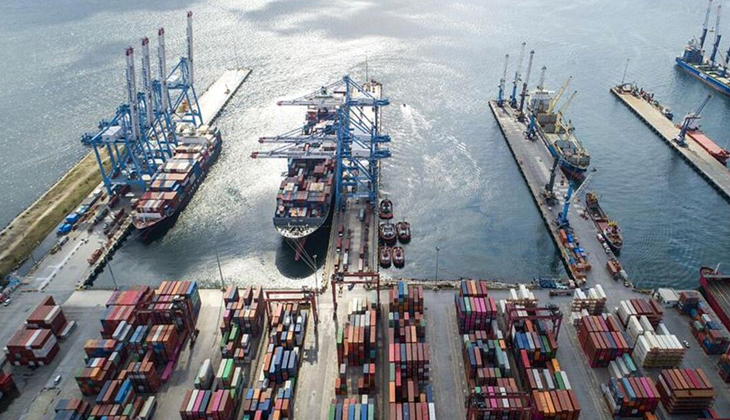
Izmit
- Tupras – Izmit Tutunciftlik Refinery (Crude Oil, Fuel Oil, Gasoil, Gasoline, Jet A1, Naphtha, Bitumen, BaseOil loading & discharging)
- Yilport Terminal (Base Oil, Lub Oil, Chem Mix, CPP, Dry Cargo, Project Cargo loading & discharging)
- Poliport (GasOil, Fuel Oil, Lub & Base Oil, Chemicals, Dry Cargo & Project Cargo loading & discharging)
- Altintel Terminal (Fuel Oil & GasOil loading & discharging)
- Solventas (Gas Oil, Fuel Oil, Caustic Soda, Base & Lube Oil, Chem Mix loading & discharging)
- Petrol Ofisi POAS Terminal (Fuel Oil, Gas Oil, Gasoline Loading & Discharging)
- Aksa Yalova (Chemical Mix)
- Koruma Derince (Chemical Mix)
- Limas Terminal (GasOil, Fuel Oil, Lub & Base Oil, Chemicals loading & discharging)
- Ak-tas Terminal (Chemical Mix)
- Safi Port (Chemical Mix, Dry & Project Cargo loading & discharging)
- Belde Port (Dry & Project Cargo loading & discharging)
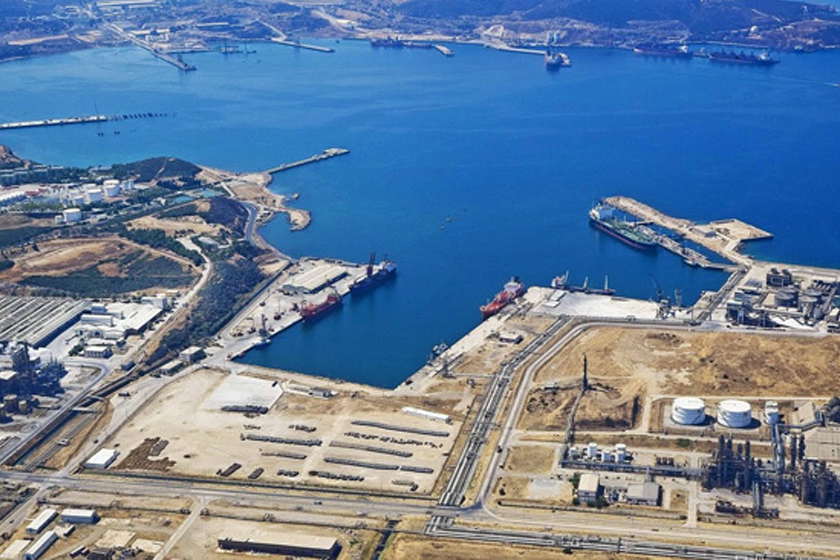
Aliaga
- Petkim, Aliaga (Naphtha, LPG, Chem Mix loading & discharging)
- Guzel Enerji (GasOil, Gasoline, BaseOil)
- Star Refinery (Crude Oil, Fuel Oil, Gasoil, Gasoline, Jet A1, Naphtha, Bitumen loading & discharging)
- Ege Gubre Jetty (Gas Oil loading & discharging)
- STAD (Gas Oil & FO loading & discharging)
- Nemrut Platform (LPG loading & discharging)
- Alpet Buoys (Gas Oil loading & discharging)
- Tupras (Crude Oil, Fuel Oil, Gasoil, Gasoline, Jet A1, Naphtha, Bitumen, BaseOil loading & discharging)
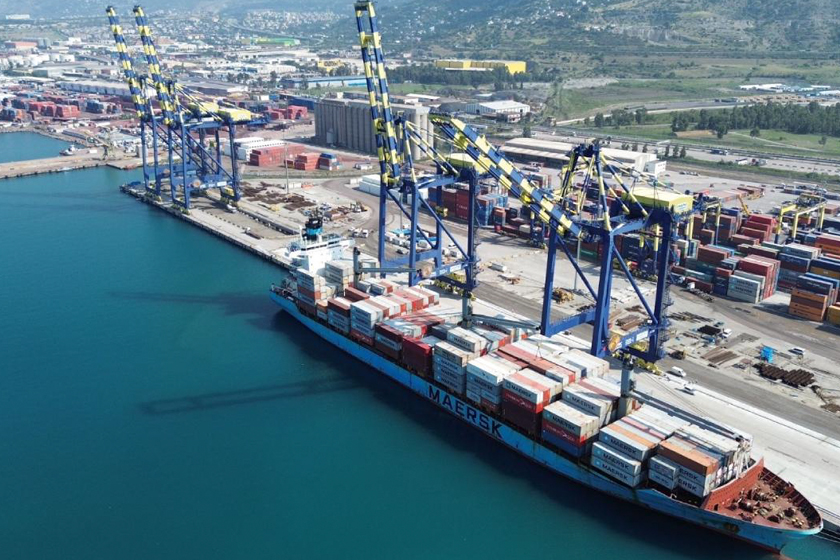
Iskenderun & Ceyhan
- Dortyol GTS (Fuel Oil & Gas Oil Loading & Discharges)
- Toros Terminal (IFO & Gas Oil Discharges)
- Iskenderun Port (Caustic Soda & Chem Mix Discharges)
- BOTAS (Crude Oil loading & discharging)
- POAS Terminal
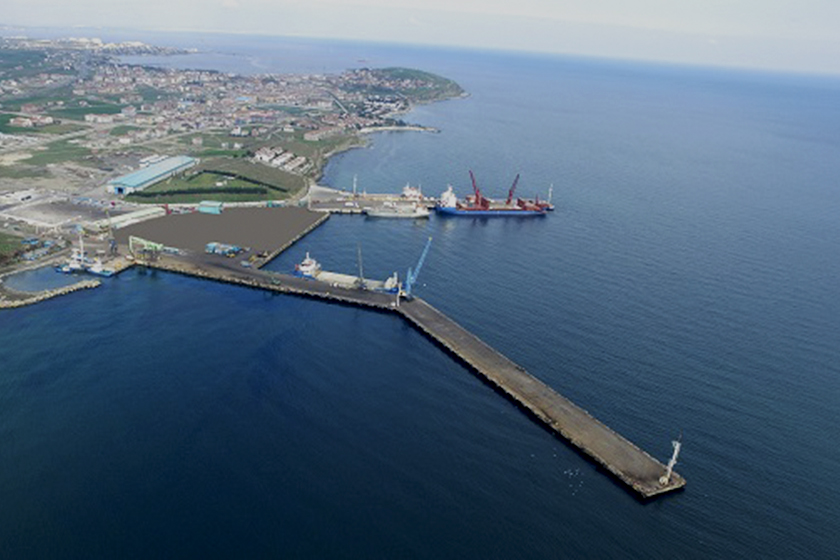
Marmara Ereglisi & Tekirdag
- OPET Marmara Ereglisi (Fuel Oil & Gas Oil Loading & Discharges)
- MDH Buoy (Fuel Oil & Gas Oil Loading & Discharges)
- Likit Dolphin (Gas Oil and Chem Mix Loading & Discharges)
- MARTAS (Dry Cargo, VegOil Loading & Discharges)
- Ceyport (Dry Cargo, VegOil Loading & Discharges)
- Asyaport (Dry Cargo)
- Argaz & Butan Buoys (LPG discharges)
- BOTAS (LNG)
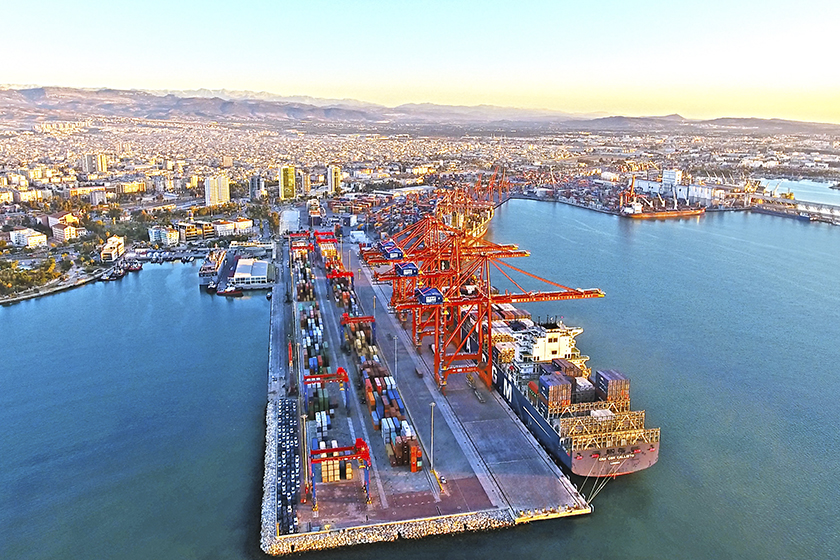
Mersin
- Atas Mersin Refinery (Gas Oil & Gasoline Loading & Discharging)
- BP Gaz LPG Terminal (Gas Oil Loading & Discharging)
- OPET Mersin Terminal & Buoy (Fuel Oil & Gas Oil Loading & Discharging)
- Turkis Enerji Buoy (GasOil loading & discharging)
- Alpet Buoy (GasOil loading & discharging)
- Nergis Buoy (GasOil loading & discharging)
- Enerji Buoy (GasOil loading & discharging)
- Akpet Buoy (GasOil loading & discharging)
- Savka Platform (GasOil loading & discharging)
- Euroil Buoy (GasOil loading & discharging)
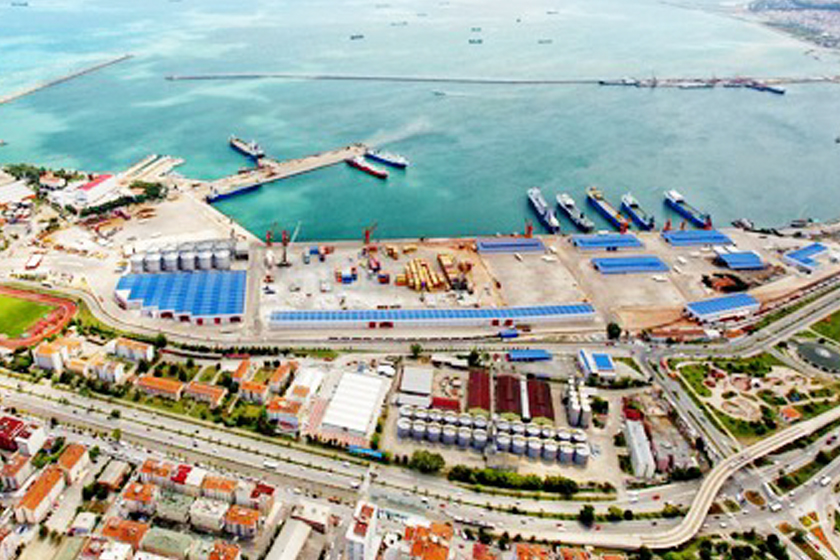
Samsun
- Alpet Buoys (Gas Oil Loading & Discharging)
- Lukoil Buoys (Gas Oil Loading & Discharging)
- Guzel Enerji Buoy (Gas Oil Loading & Discharging)
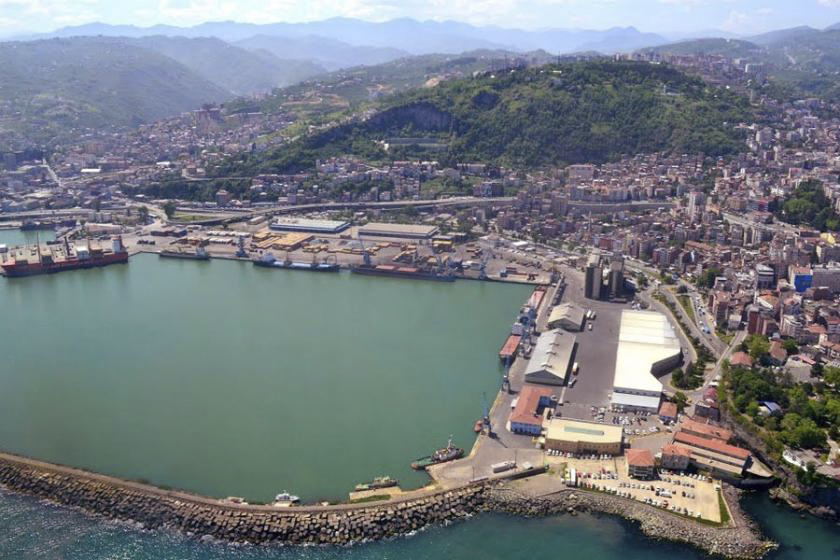
Trabzon
- POAS Buoy (Gas Oil Loading & Discharging)
Turkish Straits
Straits Passages: Navigating the Challenges with Expertise
The Turkish Straits, comprising the Bosporus and the Dardanelles, present some of the most challenging and strategically important waterways in the world. These narrow and congested passages, combined with their unique geographic features, require precise navigation, thorough preparation, and extensive local expertise.
Geographical Challenges of the Turkish Straits
- Narrow Channels: The Bosporus, at its narrowest point, is just 700 meters wide, while the Dardanelles also presents significant challenges with its varying width and strong currents. This makes navigation particularly tricky for larger vessels, including tankers and bulk carriers.
- Traffic Congestion: The Turkish Straits are among the busiest waterways globally, with hundreds of vessels passing through annually. Managing such heavy traffic, while ensuring the safety of both local and international shipping operations, is a major logistical challenge.
- Strong Currents and Wind: Strong tidal currents and unpredictable weather conditions, particularly in the winter months, can make passage difficult and pose risks to vessels in transit.
- Shifting and Shallow Waters: Shallow depths and shifting underwater formations increase the risk of grounding or accidents, especially during adverse weather conditions. This makes precise navigation and local knowledge critical for ensuring safe passage.
- Bridge and Infrastructure Considerations: With the presence of bridges over the Bosporus and Dardanelles, vessels must carefully consider height clearance and navigational restrictions, adding another layer of complexity to passage planning.
HanShip’s Professional Approach
At HanShip, we understand the intricacies of navigating these challenging waterways. Our team is equipped with in-depth local knowledge, cutting-edge technology, and years of experience to manage every detail of your vessel’s passage through the Turkish Straits. We provide a full range of services to ensure safe and efficient transit, including:
- Escort and Pilot Services: Experienced pilots, familiar with the unique challenges of the Bosporus and Dardanelles, guide vessels through narrow channels, ensuring safe passage and adherence to local maritime regulations.
- Traffic Management: We coordinate vessel movements in these busy waterways, ensuring timely passage and reducing the risk of congestion or delays. Our team works closely with Vessel Traffic Services and other maritime authorities to ensure compliance with all regulations.
- Weather and Current Monitoring: We monitor real-time weather and tidal conditions to help plan the optimal time for passage, ensuring safety even in adverse conditions.
- Tug Assistance: For larger vessels or in cases of particularly challenging weather, we arrange for tugboat assistance to facilitate safe navigation through narrow channels and during docking operations.
- Comprehensive Documentation and Compliance: HanShip ensures that all necessary paperwork, including permits, customs clearances, and navigational authorizations, are processed promptly and efficiently, preventing any delays during the passage.
With our professional approach to managing the complexities of Turkish Strait crossings, we offer peace of mind to shipowners and charterers alike, knowing that their vessels are in capable hands. HanShip’s strategic and experienced approach allows us to effectively mitigate risks and ensure safe, timely passage through one of the world’s most challenging maritime routes.